 +371 2022 8895
  info@lynxgear.lv



Fällkniven Diatilt DT Diamond/Ceramic Whetstone for Convex Edges


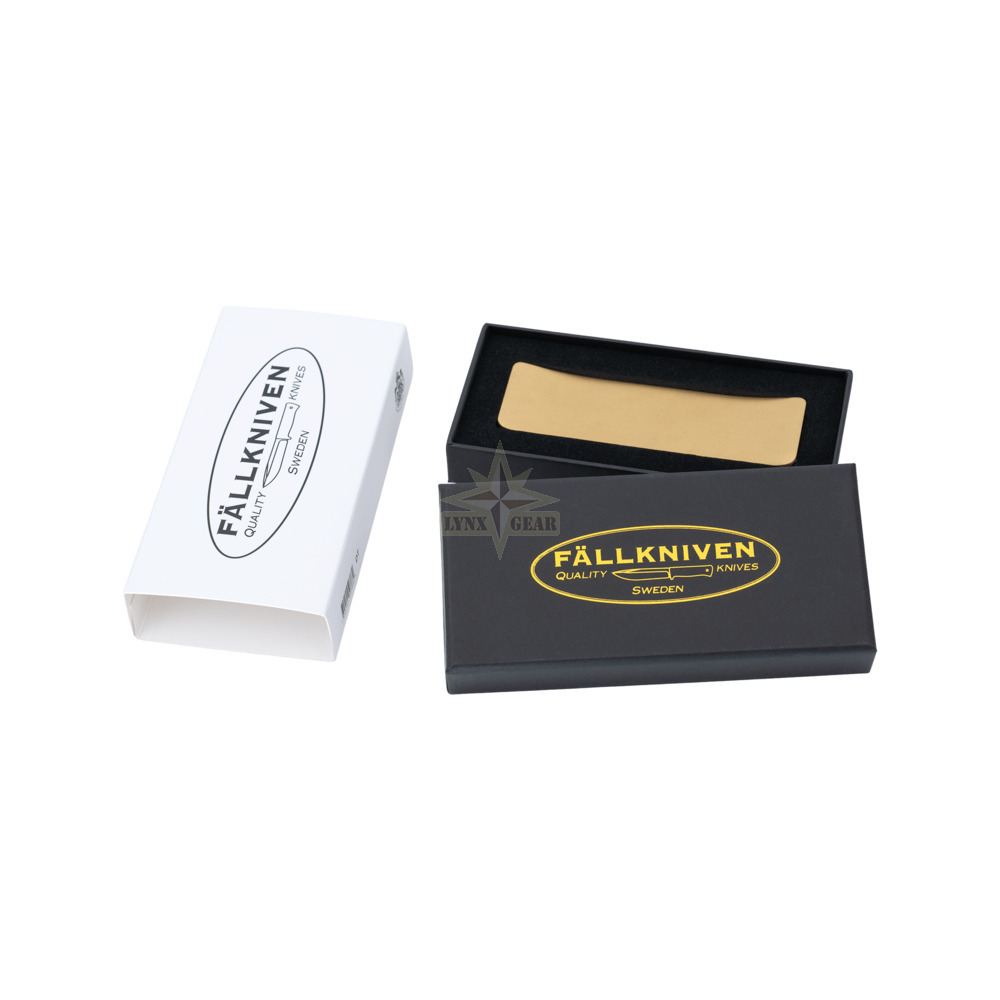

Description
Fällkniven Diatilt DT Diamond/Ceramic Whetstone for Convex Edges
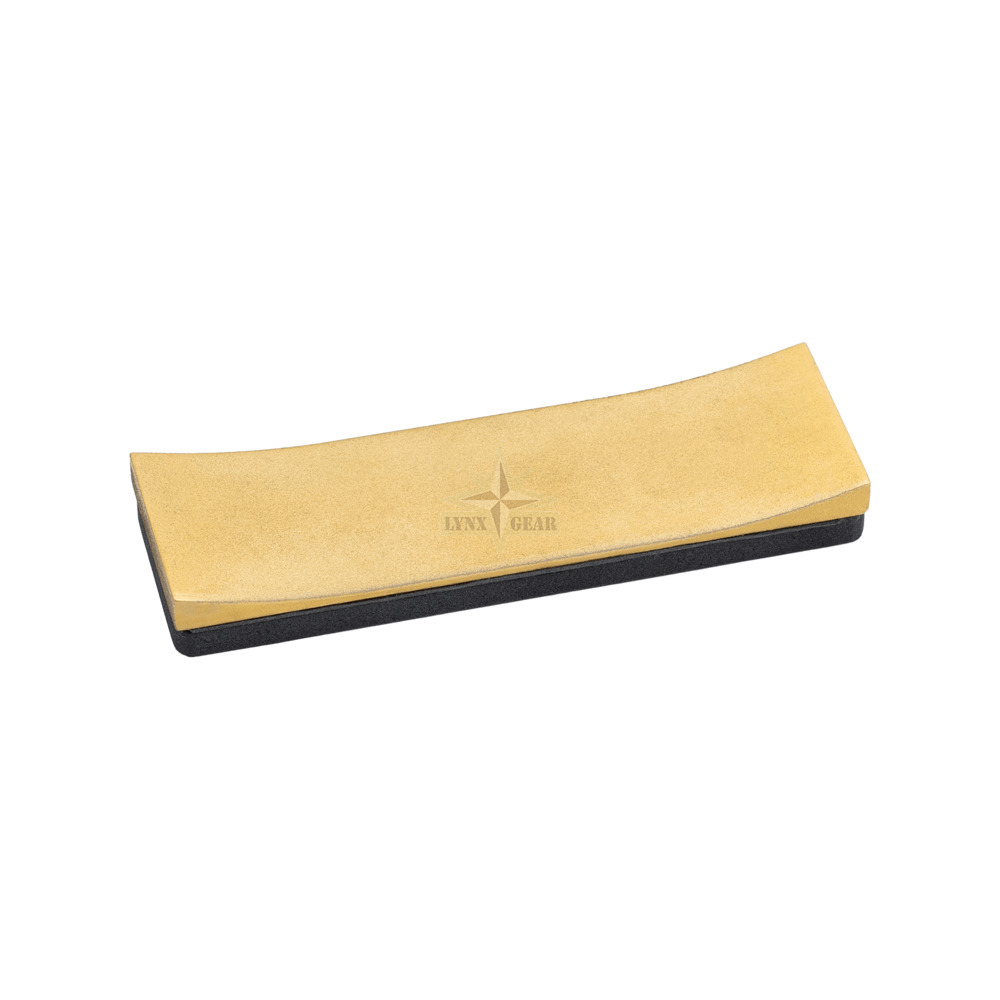
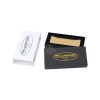
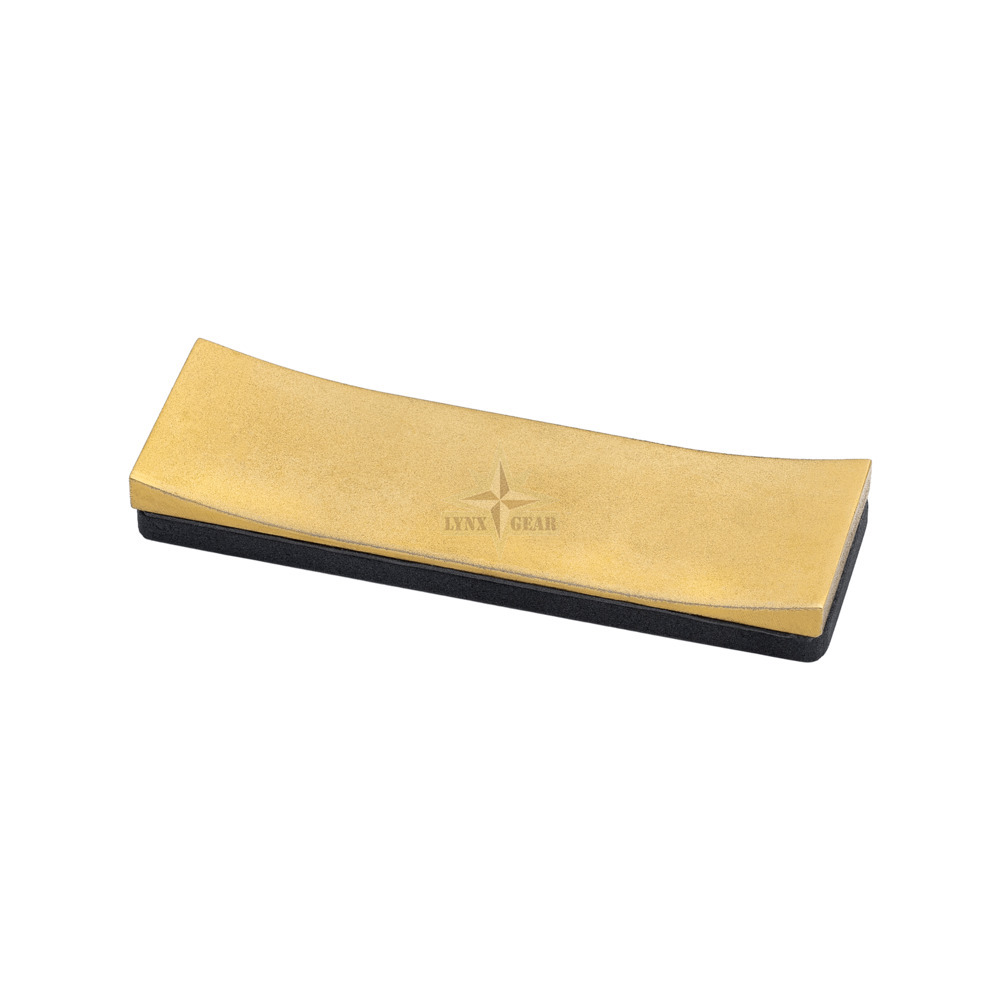
The Fällkniven Diatilt DT is a compact diamond and ceramic sharpening stone developed specifically to make sharpening convex knife edges easier and more consistent. Its fixed built-in angle helps guide the user into the correct blade position, reducing the uncertainty normally associated with maintaining a convex grind.
The coarse side uses a 25-micron diamond abrasive for restoring and shaping a worn edge. Once the desired convex profile has been established, the stone is turned over and the 5-micron ceramic surface is used to refine, de-burr and polish the outermost part of the edge.
The Diatilt works dry and requires no oil or water. Its compact 100 mm length and solid 97 g construction make it suitable for both workshop use and inclusion in a knife-maintenance kit.
Key Features
- Special sharpening stone for convex knife edges
- Fixed built-in angle helps guide blade positioning
- Suitable for a wide range of knives
- Dual-sided sharpening construction
- Diamond side for restoring and shaping the edge
- Ceramic side for de-burring and final polishing
- Diamond abrasive: 25 micron
- Ceramic abrasive: 5 micron
- Designed for dry use
- No oil or water required
- Compact and portable construction
- Item number: DT
- Made by Fällkniven AB
Designed for Convex Edges
A convex edge differs from a conventional flat bevel because the sides of the edge curve smoothly towards the cutting apex rather than meeting through two flat surfaces.
This geometry is valued by many knife users because it can combine a fine cutting edge with substantial material behind the apex. Correctly maintained, a convex edge can offer a useful balance between sharpness, edge strength and durability.
The Fällkniven Diatilt simplifies this maintenance by incorporating a fixed reference angle into the sharpening tool itself.
Fixed-Angle Sharpening Guide
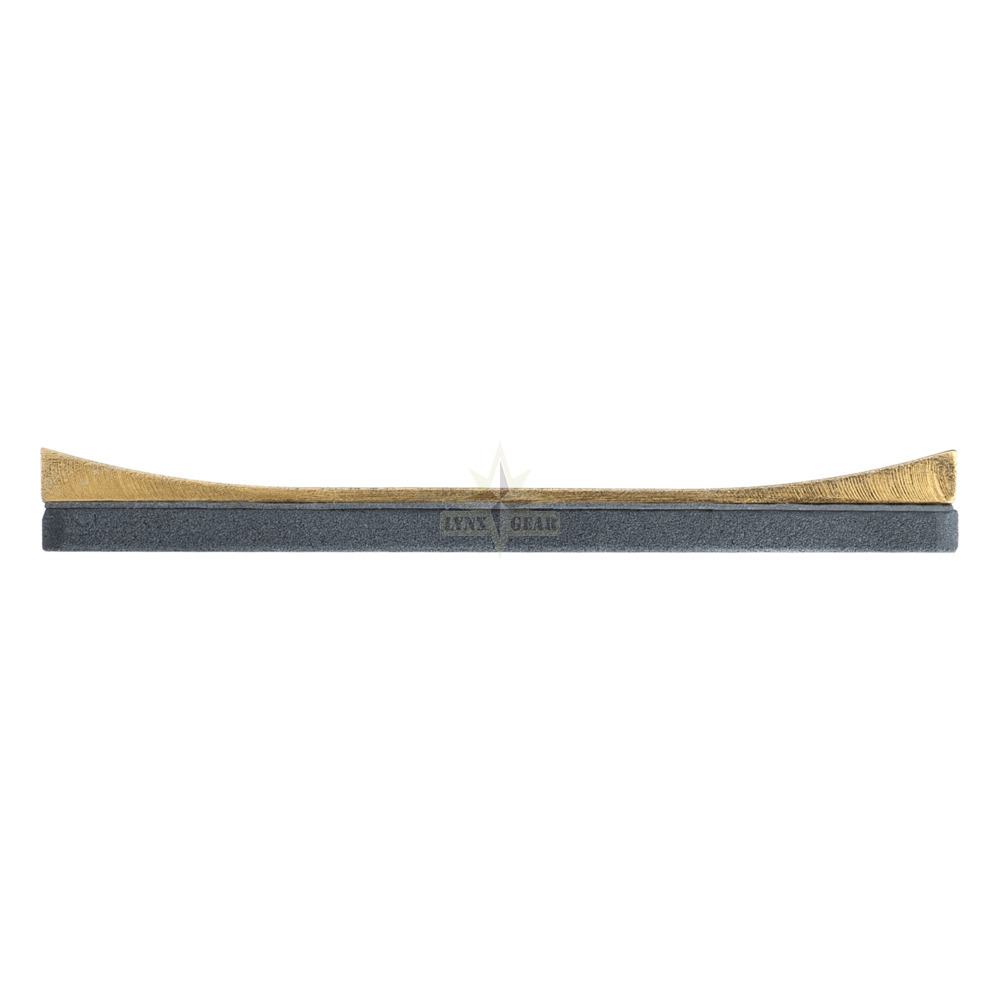
The shape of the Diatilt provides a built-in angle that shows how the knife should be positioned relative to the sharpening surface.
Instead of attempting to estimate the sharpening angle entirely by hand, the user can place the blade against the stone, raise the spine by approximately the thickness of the blade and use the shape of the sharpener as a visual and tactile guide.
This does not make sharpening fully automatic: consistent pressure, controlled movement and attention to the existing blade geometry are still required.
25-Micron Diamond Surface
The diamond side has a stated abrasive size of 25 microns. It is intended for the first stage of sharpening when the knife has become dull or when the convex profile needs to be restored.
Diamond abrasive removes steel relatively efficiently and is therefore best used with light, controlled pressure. Excessive force is unnecessary and may remove more blade material than required.
5-Micron Ceramic Surface
Once a sharp convex profile has been established with the diamond side, the Diatilt can be turned over to use the 5-micron ceramic surface.
The finer ceramic abrasive is intended for:
- Removing the remaining burr
- Refining the cutting apex
- Smoothing the edge after diamond sharpening
- Final polishing and maintenance
For knives that are already reasonably sharp, the ceramic side may be sufficient for routine touch-ups without first using the diamond surface.
Dry Sharpening – No Oil or Water Required
The Fällkniven Diatilt is designed to be used dry. Do not apply sharpening oil or water during normal use.
This makes the sharpener convenient for quick maintenance because no additional lubricant, soaking or preparation is required.
Recommended Use
- Maintenance of convex knife edges
- Restoring dull outdoor knives
- Bushcraft knife maintenance
- Hunting knife sharpening
- EDC knife maintenance
- Workshop sharpening
- Field knife-maintenance kits
- Finishing and de-burring after coarse sharpening
Technical Specifications
| Product Name | Fällkniven Diatilt |
| Item Number | DT |
| Brand | Fällkniven |
| Product Type | Diamond / ceramic sharpening stone |
| Primary Application | Sharpening convex knife edges |
| Diamond Abrasive | 25 micron |
| Ceramic Abrasive | 5 micron |
| Sharpening Guide | Fixed built-in angle |
| Lubrication | Use dry; no oil or water required |
| Dimensions | Approx. 11 × 32 × 100 mm |
| Weight | Approx. 97 g |
How to Use the Fällkniven Diatilt
- Place the sharpener on a stable, non-slip working surface.
- If the knife is dull, begin with the diamond side.
- Place the blade flat against the sharpening surface.
- Raise the spine approximately by the thickness of the blade.
- Use the built-in angle of the sharpener as a guide.
- Move the knife backwards and forwards over the stone using light, controlled pressure.
- Work both sides of the blade evenly.
- Continue until the desired convex profile and sharp edge have been established.
- Turn the sharpener over to the ceramic side.
- Use light alternating strokes to remove the burr and refine the cutting edge.
- Clean the blade and sharpener after use.
Sharpening Technique
Convex sharpening works best with controlled pressure and a smooth movement. Avoid forcing the edge into the abrasive.
- Start with light pressure.
- Maintain a consistent blade position.
- Use approximately equal numbers of strokes on both sides.
- Reduce pressure as the edge becomes sharper.
- Finish with very light alternating strokes on the ceramic side.
- Check progress frequently rather than removing unnecessary steel.
Diamond or Ceramic – Which Side Should You Use?
| Knife Condition | Recommended Surface |
| Dull edge | Start with 25-micron diamond, then finish with ceramic |
| Convex profile needs restoration | 25-micron diamond |
| Minor loss of sharpness | 5-micron ceramic may be sufficient |
| Removing a light burr | 5-micron ceramic |
| Final edge refinement | 5-micron ceramic |
Care and Maintenance
- Use the sharpener without oil or water.
- Remove accumulated metal particles after use.
- Wipe the surfaces with a clean, dry cloth.
- If necessary, clean according to Fällkniven's recommended sharpening-stone maintenance method.
- Do not use aggressive chemicals or abrasive tools on the sharpening surfaces.
- Protect the ceramic surface from strong impacts.
- Do not drop the sharpener onto hard surfaces.
- Store clean and dry.
Sharpening Safety Information
- Knife sharpening involves direct handling of sharp blades.
- Work on a stable, non-slip surface.
- Keep fingers and hands outside the blade path.
- Always move the blade in a controlled manner.
- Do not test sharpness by running a finger along the cutting edge.
- Use additional care as the knife becomes progressively sharper.
- Do not allow children to use the sharpener unsupervised.
- Stop sharpening if the stone or knife cannot be held securely.
- Protect the ceramic component against impacts and drops.
- Clean metal particles from the working area after sharpening.
Why Choose the Fällkniven Diatilt?
Maintaining a convex edge can be more difficult than sharpening a conventional flat bevel because the user must preserve the curved transition towards the cutting edge. The Fällkniven Diatilt addresses this challenge with a simple fixed-angle design that provides a practical reference for blade positioning.
The combination of a relatively coarse 25-micron diamond surface and fine 5-micron ceramic surface allows both restoration and finishing to be performed with a single compact sharpening tool.
FAQ
What is the Fällkniven Diatilt designed for?
It is designed primarily to simplify sharpening and maintenance of convex knife edges.
Can it be used with different types of knives?
Yes. Fällkniven describes the Diatilt as suitable for all types of knives, although the sharpening technique should always be appropriate for the knife's existing edge geometry.
Which side should I start with?
If the knife is dull or the edge needs reshaping, begin with the 25-micron diamond side. For a knife that only needs light maintenance, the finer ceramic side may be sufficient.
What is the diamond grit?
The diamond abrasive has a stated particle size of 25 microns.
What is the ceramic grit?
The ceramic abrasive has a stated particle size of 5 microns.
Do I need sharpening oil?
No. The Diatilt is designed to be used without oil.
Should I use water?
No. Fällkniven specifies that the sharpener should be used without water or oil.
How does the built-in angle work?
The shape of the sharpener provides a fixed reference angle that helps indicate how the knife should be positioned relative to the sharpening surface.
How should I position the blade?
Fällkniven recommends initially laying the blade flat on the stone, then raising the spine by approximately the thickness of the blade before beginning the sharpening movement.
What is the ceramic side used for?
It is used to remove the burr, refine the apex and polish the edge after sharpening with the diamond side.
Can I use only the ceramic side?
Yes, for routine maintenance when the knife is already reasonably sharp. A very dull or damaged edge will normally require the diamond side first.
What are the dimensions?
The sharpener measures approximately 11 × 32 × 100 mm.
How much does it weigh?
The stated weight is approximately 97 g.
Glossary
- Convex Edge: Cutting-edge geometry with smoothly curved sides rather than flat secondary bevels.
- Diamond Abrasive: Industrial diamond particles bonded to a sharpening surface for efficient steel removal.
- Ceramic Sharpener: Fine abrasive surface used for edge refinement, de-burring and polishing.
- Micron: One thousandth of a millimetre; used here to describe abrasive particle size.
- Burr: Thin ridge of displaced metal that forms at the edge during sharpening.
- Apex: The very outermost point where the two sides of a knife edge meet.
- De-burring: Removal of the fine metal burr remaining after sharpening.
Manufacturer & GPSR Information
Manufacturer:
Fällkniven AB
Granatvägen 2A
961 43 Boden
Sweden
Customer Service:
Customer service is provided through authorised distributors and retailers, including LYNXGEAR / SIA LATLYNX.