 +371 2022 8895
  info@lynxgear.lv



John Lee Dragon Katana Replica Sword


Description
John Lee Dragon Katana Replica Sword
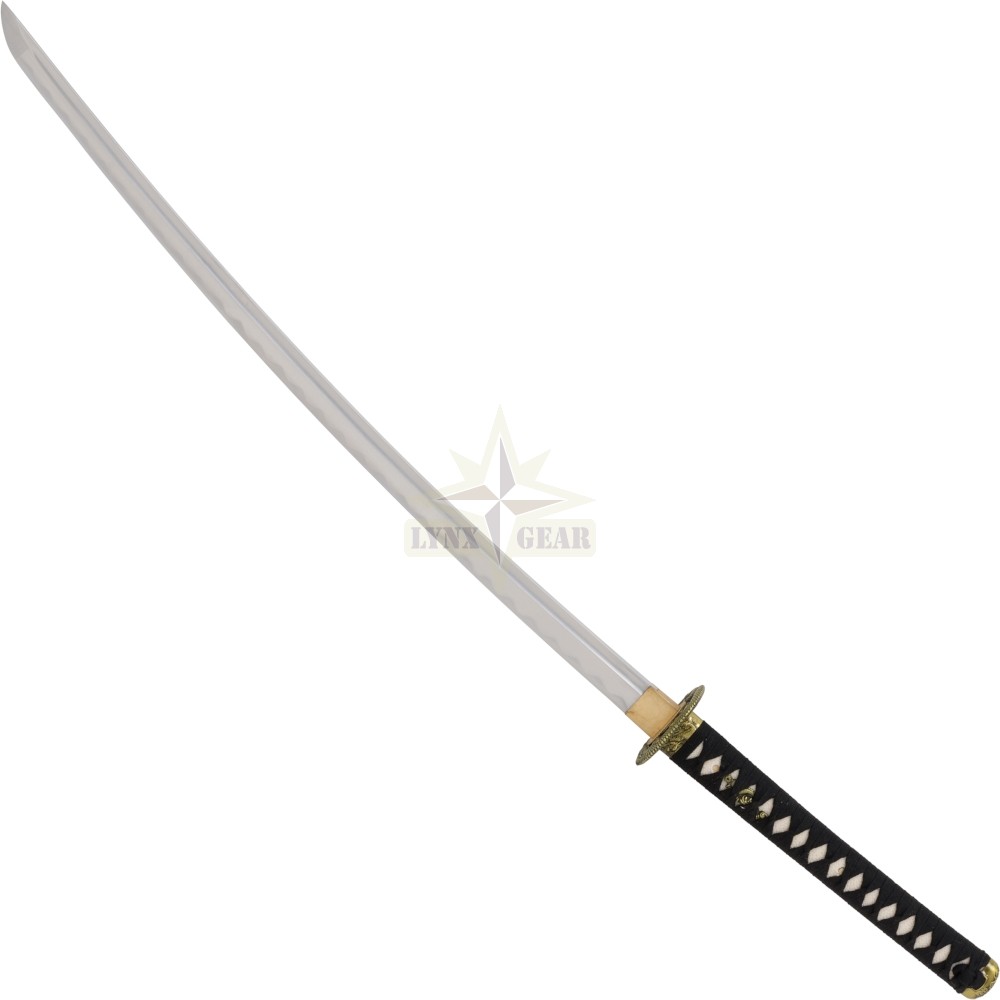
The John Lee Dragon Katana is a traditionally styled Japanese sword replica inspired by historical museum examples. Its detailed construction combines a hand-forged carbon steel blade, genuine ray-skin handle covering, traditional cotton wrapping and dragon-themed fittings.
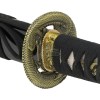
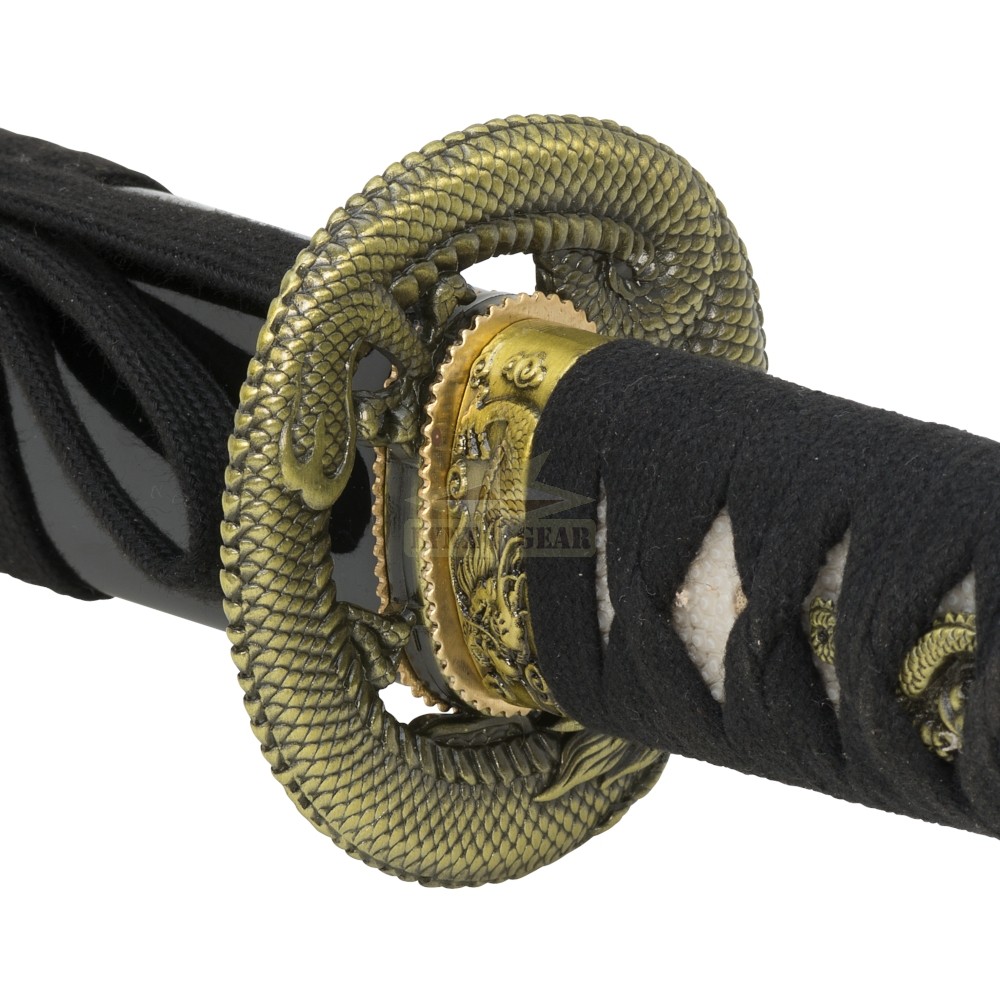
In Japanese tradition, the dragon is regarded as an auspicious mythical creature associated with strength and good fortune. This symbolism is reflected in the decorative tsuba, where a dragon appears to surround the sword.
The sharpened blade is hand forged from 1045 carbon steel, traditionally tempered and finished with a visible hamon. A hi, or fuller, runs along the blade to reduce weight. The long tang is secured inside the handle with two bamboo mekugi pegs.
The sword is supplied with a wooden saya, certificate of origin, protective cloth wrapping and a high-quality wooden presentation box.
Important: This katana has a sharpened carbon steel blade capable of causing severe or fatal injury. It is not a toy and must not be used for sparring, staged combat or uncontrolled handling.
Key Features
- Traditionally styled Japanese katana replica
- Dragon-themed tsuba
- Based on historical museum examples
- Hand-forged 1045 carbon steel blade
- Traditionally tempered blade
- Visible fine hamon
- Sharpened cutting edge
- Hi fuller reduces overall blade weight
- Long tang secured with two bamboo mekugi pegs
- Wooden tsuka covered with genuine ray skin
- Traditional black cotton handle wrapping
- Two decorative menuki beneath the wrapping
- Brass habaki blade collar
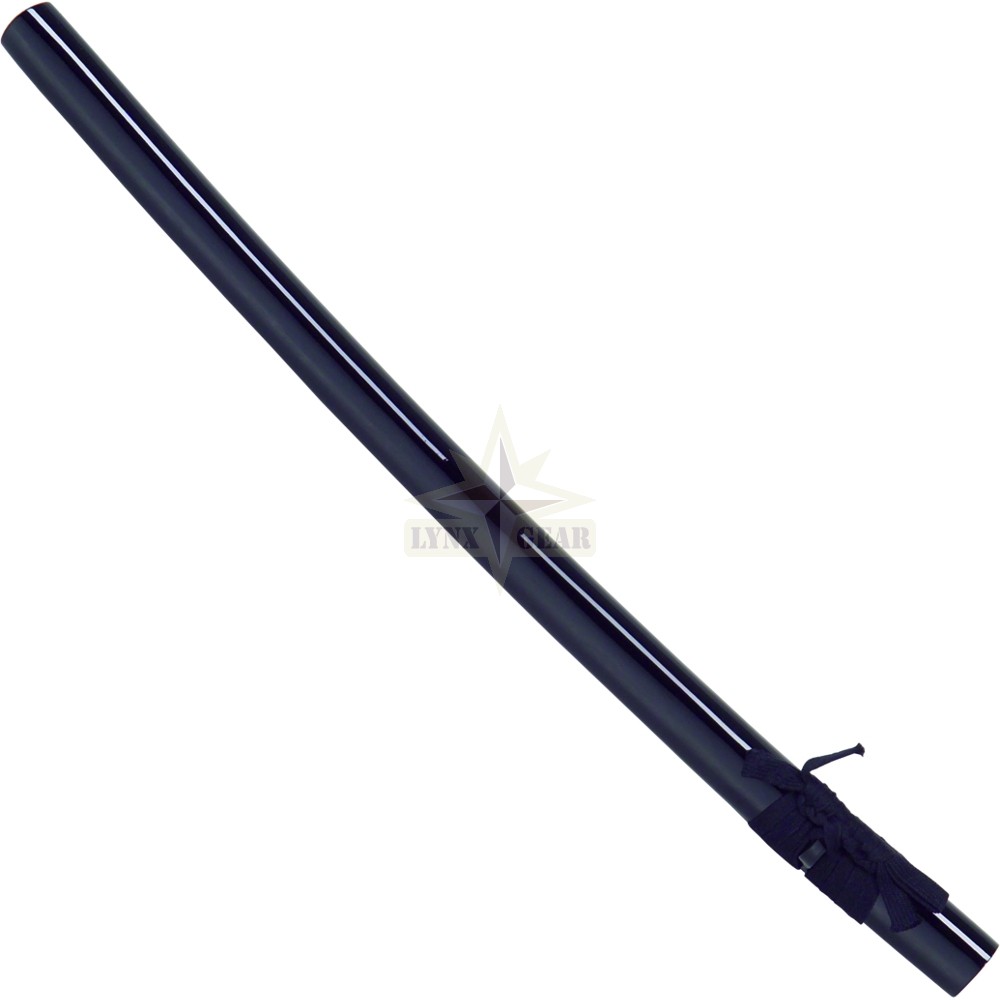
- Wooden saya scabbard
- Certificate of origin included
- Protective cloth wrapping included
- Supplied in a high-quality wooden box
Dragon-Inspired Design
The decorative fittings of the John Lee Dragon Katana are centred on the image of the Japanese dragon. Unlike the threatening dragons commonly portrayed in Western mythology, the dragon in Japanese tradition is often associated with power, wisdom and good fortune.
The tsuba depicts a dragon winding around the sword, giving the katana a distinctive appearance suitable for collections, historical displays and Japanese-themed interiors.
Hand-Forged 1045 Carbon Steel Blade
The blade is hand forged from 1045 carbon steel. This medium-carbon steel is widely used for traditionally styled swords and provides a practical combination of strength and hardness when correctly heat treated.
The blade is traditionally tempered and displays a fine hamon along the cutting edge. As the blade is sharpened, it must always be treated as a dangerous cutting instrument.
Fine Hamon
The visible hamon follows the hardened section of the blade and contributes to the traditional appearance of the katana.
The exact appearance of the hamon may vary slightly between individual swords because of the hand-finishing and tempering process.
Blade with Hi Fuller
A longitudinal groove known as a hi is incorporated into the blade. Its purpose is to reduce the blade’s overall weight while retaining the characteristic shape and proportions of the sword.
The hi is sometimes informally referred to as a blood groove, although its practical purpose in this design is weight reduction.
Traditional Tsuka Construction
The handle, or tsuka, is made from wood and covered with genuine ray skin. It is then traditionally wrapped with black cotton to provide the characteristic appearance and texture of a Japanese sword grip.
Two decorative menuki are positioned beneath the wrapping. These small fittings contribute to the visual detail and traditional character of the handle.
Long Tang and Dual Mekugi
The blade tang extends deeply into the handle and is secured with two bamboo pegs known as mekugi.
The sword should still be inspected regularly. A loose handle, damaged peg or movement between the blade and fittings can make the sword unsafe to handle.
Dragon Tsuba and Brass Habaki
The decorative tsuba features a dragon motif surrounding the sword. It separates the blade from the grip and forms the central decorative element of the katana.
The habaki, or blade collar, is made from brass. It supports the seating of the blade inside the wooden saya.
Wooden Saya
The sword is supplied with a wooden scabbard known as a saya. It protects the blade during storage and reduces accidental contact with the sharpened edge.
The sword should be inserted and removed slowly, with the cutting edge oriented correctly. Forcing the blade into the saya may damage the edge, scabbard or surface finish.
Presentation Box and Certificate
The John Lee Dragon Katana is supplied with:
- Certificate of origin
- Protective cloth wrapping
- High-quality wooden presentation box
This presentation makes the sword suitable as a collector’s item, display piece or gift for enthusiasts of Japanese sword design.
Recommended Applications
- Japanese sword collections
- Historical and cultural displays
- Japanese-themed interior decoration
- Controlled photography and film use
- Educational presentation under supervision
- Collector’s gift
The supplied information does not state that this model is approved for martial-arts practice, cutting exercises, sparring or blade-to-blade contact.
Package Includes
- John Lee Dragon Katana
- Wooden saya scabbard
- Certificate of origin
- Protective cloth wrapping
- Wooden presentation box
Technical Specifications
| Product Name | John Lee Dragon Katana |
| Brand | John Lee |
| Product Type | Sharpened Japanese katana replica |
| Blade Material | 1045 carbon steel |
| Blade Construction | Hand forged |
| Blade Treatment | Traditionally tempered |
| Blade Edge | Sharpened |
| Hamon | Fine visible hamon |
| Fuller | Hi for weight reduction |
| Blade Length | Approx. 72 cm |
| Handle Length | Approx. 31 cm |
| Overall Length without Saya | Approx. 104 cm |
| Weight without Saya | Approx. 1,000 g |
| Handle Core | Wood |
| Handle Covering | Genuine ray skin |
| Handle Wrapping | Black cotton |
| Menuki | Two decorative fittings |
| Tang Fixing | Two bamboo mekugi pegs |
| Tsuba Design | Dragon motif |
| Habaki Material | Brass |
| Scabbard | Wooden saya |
| Presentation | Cloth wrapping and wooden box |
| Certificate | Certificate of origin included |
Measurement note: All stated dimensions and weights are approximate and may vary slightly between individual swords.
Inspection Before Handling
- Place the boxed sword on a stable surface.
- Remove it carefully while keeping the blade inside the saya.
- Inspect the handle wrapping, tsuba and fittings for looseness.
- Check both bamboo mekugi pegs for damage or movement.
- Draw the blade slowly while keeping the cutting edge away from the body.
- Inspect the blade visually for cracks, chips, bending or serious corrosion.
- Do not touch or test the sharpened edge with a finger.
- Stop handling the sword if any structural movement or damage is detected.
Safe Drawing and Sheathing
- Handle the sword only in a clear and controlled area.
- Keep the cutting edge directed away from the body.
- Draw the blade slowly without twisting it against the saya.
- Do not allow the blade edge to scrape along the scabbard opening.
- Before sheathing, ensure that the blade is clean and dry.
- Guide the blade carefully into the saya without applying excessive force.
- Keep fingers away from the path of the sharpened edge.
Care and Maintenance
- Remove fingerprints, moisture and residue after handling.
- Wipe the blade with a clean, soft cloth.
- Apply a thin layer of suitable protective sword oil.
- Do not touch the cleaned blade with bare fingers.
- Inspect the carbon steel regularly for corrosion.
- Do not use harsh abrasives or aggressive chemicals.
- Keep the wooden handle and saya dry.
- Do not store a damp or contaminated blade inside the saya.
- Store the sword in a dry environment with stable temperature and humidity.
- Inspect the mekugi, handle wrapping and fittings periodically.
Carbon Steel Care
1045 carbon steel is not stainless. Moisture, fingerprints, perspiration and unsuitable storage conditions may cause staining or rust.
The blade should be cleaned and lightly oiled after every handling session. Long-term storage should take place in a dry location, with the blade inspected periodically.
Sword Safety Information
This katana has a sharpened blade and can cause severe or fatal injury.
- This product is not a toy.
- Do not use it for sparring or staged combat.
- Do not swing or thrust towards another person or animal.
- Do not perform uncontrolled movements indoors or in confined areas.
- Do not throw the sword.
- Do not use it for blade-to-blade contact.
- Do not strike stone, metal, concrete or other hard objects.
- Do not attempt cutting practice unless the manufacturer explicitly confirms suitability and proper professional instruction is available.
- Never catch a falling sword.
- Do not handle while under the influence of alcohol, drugs or impairing medication.
- Keep spectators outside the handling area.
- Store securely away from children and unauthorised users.
Display and Storage Safety
- Use a stable display stand designed for a full-size sword.
- Do not display the sword where it can fall or be removed casually.
- Keep it outside the reach of children.
- Do not rely on the wooden box as a security container.
- For transport, keep the blade inside the saya and use the supplied wrapping and box.
- Additional locked packaging may be appropriate during storage or transport.
- Do not leave the sword unattended in public or accessible places.
Legal and Responsible Use Notice
The buyer and user are responsible for checking and complying with all applicable laws concerning the purchase, ownership, possession, transport, import, public carry, display and use of swords in their country, region and municipality.
The seller does not encourage unlawful, threatening, offensive or harmful use. Product classification, website category placement and sale do not constitute legal advice, confirmation that public carry is lawful or a recommendation to use the sword for self-defence or against another person.
Laws may vary according to blade length, blade type, whether the blade is sharp or blunt, construction, intended purpose, transport method, location and the circumstances of possession.
Misuse may cause severe injury, death, property damage and serious legal consequences. Transport the sword securely, use it only for lawful purposes and store it away from children and unauthorised persons.
This notice does not limit any non-excludable consumer rights under applicable law.
Why Choose the John Lee Dragon Katana?
The John Lee Dragon Katana combines traditional Japanese sword styling with detailed construction and symbolic decoration. Its hand-forged 1045 carbon steel blade, fine hamon, genuine ray-skin handle covering and black cotton wrapping give it a convincing historical appearance.
The dragon tsuba, wooden saya, long tang with two mekugi and complete presentation set make this katana particularly suitable for collectors and enthusiasts seeking a visually distinctive Japanese sword replica.
FAQ
Is the John Lee Dragon Katana sharpened?
Yes. The blade is sharpened and must be handled as a dangerous cutting instrument.
What steel is used for the blade?
The blade is made from 1045 carbon steel.
Is the blade hand forged?
Yes. The supplied product information describes the blade as hand forged and traditionally tempered.
Does the blade have a hamon?
Yes. The blade has a fine visible hamon.
What is the groove in the blade?
It is a hi, or fuller, intended to reduce the overall blade weight.
How long is the blade?
The blade length is approximately 72 cm.
What is the overall length?
The overall length without the saya is approximately 104 cm.
How much does the sword weigh?
It weighs approximately 1,000 g without the saya.
What is the handle made from?
The handle has a wooden core covered with genuine ray skin and traditionally wrapped with black cotton.
How is the blade secured inside the handle?
The long tang is secured with two bamboo mekugi pegs.
Is a scabbard included?
Yes. A wooden saya is included.
Is a presentation box included?
Yes. The sword is supplied with cloth wrapping, a certificate of origin and a high-quality wooden box.
Is the katana suitable for sparring?
No. A sharpened blade must never be used for sparring, staged combat or blade-to-blade contact.
Can it be used for cutting practice?
The supplied information does not confirm approval for cutting practice. Such use should not be attempted without explicit manufacturer confirmation, professional instruction and an appropriate controlled environment.
Can the blade rust?
Yes. 1045 carbon steel can corrode and should be kept clean, dry and lightly oiled.
Can the sword be carried in public?
Public-carry laws vary. The buyer and user must check all applicable local laws before transporting or carrying the sword.
Glossary
- Katana: Traditional Japanese curved, single-edged sword.
- Hamon: Visible temper line associated with the hardened cutting edge.
- Hi: Longitudinal fuller formed in the blade to reduce weight.
- Tsuka: Sword handle.
- Samegawa: Ray-skin covering traditionally used on Japanese sword handles.
- Menuki: Decorative fittings positioned beneath the handle wrapping.
- Mekugi: Bamboo pegs securing the blade tang inside the handle.
- Tsuba: Guard positioned between the blade and handle.
- Habaki: Blade collar that helps seat the blade inside the scabbard.
- Saya: Wooden scabbard used to store and transport the blade.
- Tang: Portion of the blade extending inside the handle.
- 1045 Carbon Steel: Medium-carbon steel used in traditionally styled sword blades.
Manufacturer & GPSR Information
Manufacturer:
Haller Stahlwarenhaus GmbH
Am Gartennest 1
74544 Michelbach an der Bilz
Germany